Skip to main content
Skip to footer
Directions & Parking
FAQs
Contact
Directions & Parking
FAQs
Contact
Signature Sails
Morning Sails
Midday Sail
Sunset Sail
Private All-Day Sails
Large Group Sails
Corporate Outings
Events
Bachelorette Sails
Proposal Sails
Birthday Parties
All Seasonal Sails
About
Signature Sails
Morning Sails
Midday Sail
Sunset Sail
Private All-Day Sails
Large Group Sails
Corporate Outings
Events
Bachelorette Sails
Proposal Sails
Birthday Parties
All Seasonal Sails
About
Signature Sails
Morning Sails
Midday Sail
Sunset Sail
Private All-Day Sails
Large Group Sails
Corporate Outings
Events
Bachelorette Sails
Proposal Sails
Birthday Parties
All Seasonal Sails
About
Directions
FAQs
Contact Us
Gallery
June 05, 2015
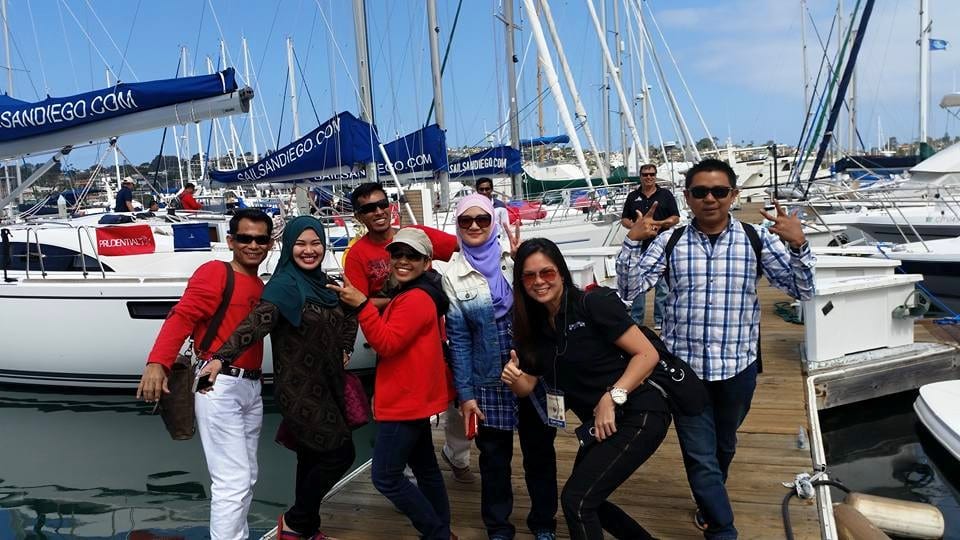
Thank You Prudential!
Please ensure Javascript is enabled for purposes of
website accessibility